
One verdict,
consulted five ways.
The ancient Greeks didn't trust a single voice. Neither should you.
When a question mattered — going to war, founding a colony, naming an heir — the Greeks traveled. They consulted oracles in different cities, run by different priesthoods, using different methods. Croesus, king of Lydia, famously tested seven oracles before believing any of them. The discipline wasn't superstition. It was epistemics. They knew that no single source, however celebrated, could be trusted on its own.
We've forgotten that lesson. The modern world asks a single AI for a verdict and treats the answer as final. We've gone backward from the Greeks.
Five Oracles is the principle restored. Five independent evaluations, each using a categorically different method, each strong where the others are weak. A panel, not a pronouncement. The verdict is what survives when the panel agrees, and the dissent is itself signal worth reading.


Why five.
Each oracle does something the others cannot.
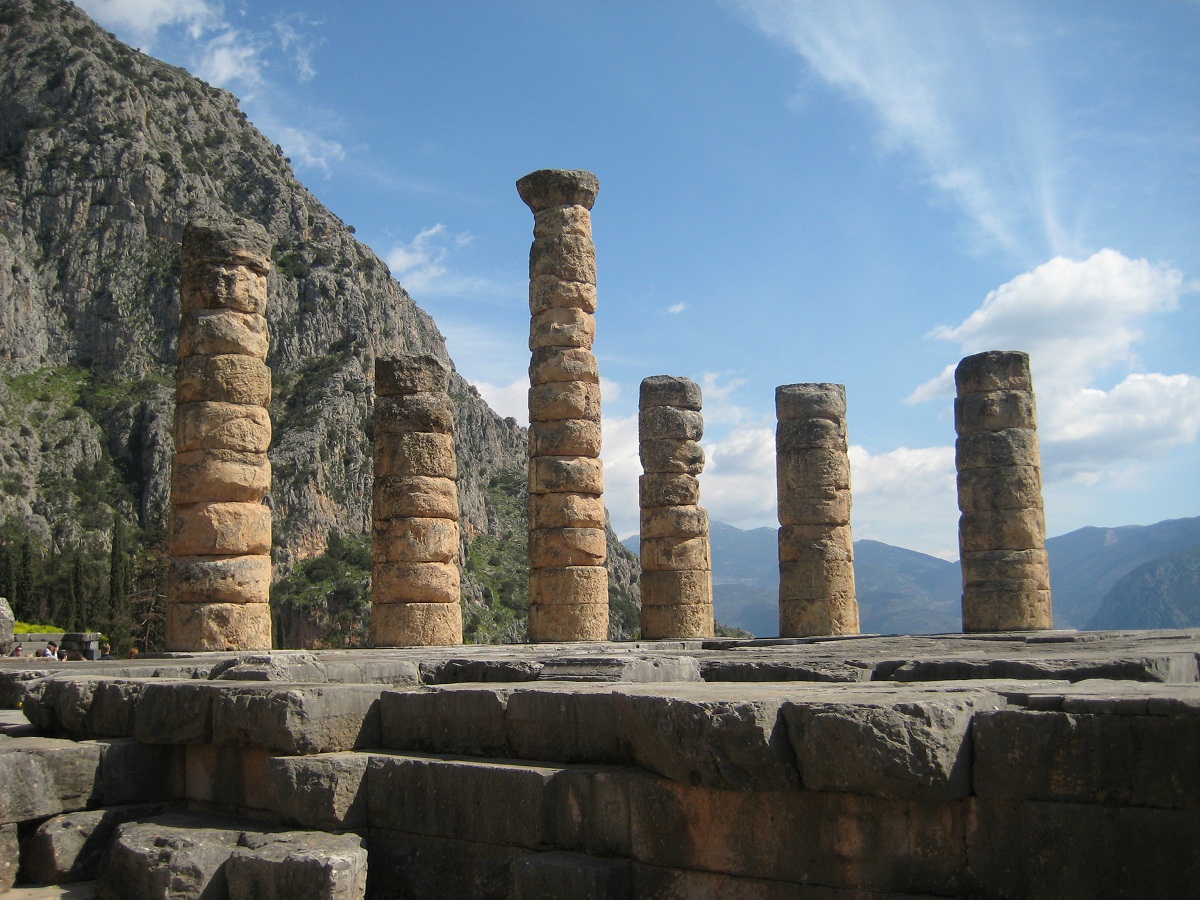
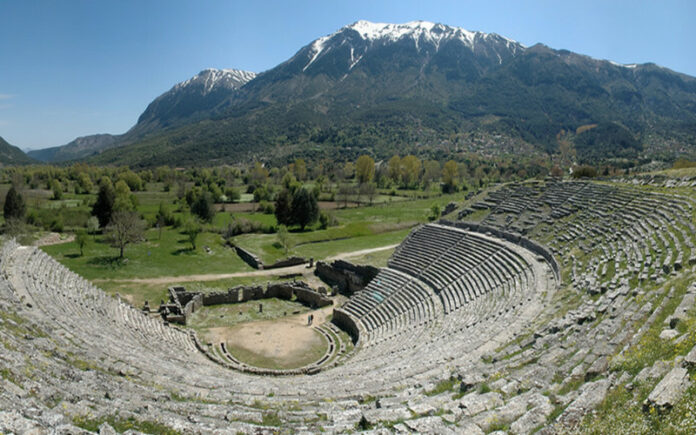
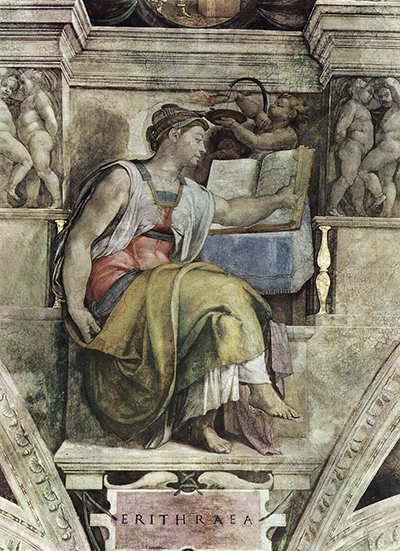
Delphi reads nuance, but misses the obvious. Dodona reads the obvious, but misses subtext. Trophonius finds what's hidden, but can be paranoid. Cumae cross-references, but only finds what's already public. Erythrae reads structure, but doesn't always read content.
A single oracle is a single blind spot. Five oracles, consulted independently and aggregated honestly, cover what no single voice can.
The Greeks understood this. They didn't consult one oracle and obey. They consulted several, weighed the answers, and made decisions in light of what the panel collectively suggested. The wisdom wasn't in any one voice. It was in the discipline of consulting multiple voices and refusing to grant any of them final authority.
That discipline is what we've rebuilt. Different models. Different prompts. Different evaluative postures. Each one a real participant on the panel. Each one strong where the others are weak.
We score your content the way the Greeks made decisions. By panel, not pronouncement.
See that discipline on a real article: twenty reviews, one article — what the panel catches that a single model misses.
Inside Revylo.
The Five Oracles power Revylo, our content quality audit. When you submit an article for evaluation, the panel convenes. Each oracle reads independently and renders judgment. The verdict that survives the panel — agreed upon by the majority, weighted by confidence, with dissent surfaced as signal — is what we report.
You can watch the panel work in real time. Each oracle's consultation appears on your audit screen as it completes, with the time taken and the verdict rendered. You see the panel deliberate. You read the consensus. You see where they disagree and why.
This is not faster than single-source scoring. It is, deliberately, slower. The discipline is the point. A single AI's opinion can be produced in a second. A panel's verdict takes longer because consulting multiple oracles is more work than consulting one. That work is what makes the answer trustworthy.
Audit with the Five Oracles →On the principle.
The Five Oracles is more than a feature of one product. It is a position on how AI should be used when judgment matters.
A single language model is brilliant, fluent, fast, and unreliable in ways that are difficult to see from the outside. The same prompt, asked twice, can return different answers. Subjective evaluations bounce within ranges that should make any serious user pause. The fluency obscures the noise. The confidence obscures the variance.
The answer is not to abandon AI. The answer is to consult multiple AIs, each chosen for a different strength, each given a different posture, and to aggregate their judgments with discipline. To treat any single model's voice as one voice on a panel, not the final word.
The Greeks figured this out 2,500 years ago, with priestesses and oak trees and trance states and acrostics. We've rediscovered it with neural networks and APIs. The substrate has changed. The principle hasn't.
Consult more than one oracle. Read what the panel says. Notice where they disagree. Make the decision yourself.
That is the discipline. That is what we've built.